Email: info@ladakhecotourandtrek.com
Call us at: +91-8803968442

Request a free Quote

Your Name:
E-Mail Address:
Home Phone:
Additional Comments:

Content on this page requires a newer version of Adobe Flash Player.

Get Adobe Flash player

LADAKH ECO TOUR AND TREK

Location : Westran Tibet northern part of India. Time to Visit: May to end of November, possible to do classic trek in the Zanskar range and ladakh range spiti Kulu, manali Range.

WINTER–activities:- cultural tour monastery festival and village tour, frozen river trek to Zanskar.
Weather : Dry cold during winter and dry hot during summer.
Known For : The Rich Biological Resource

Ladakh
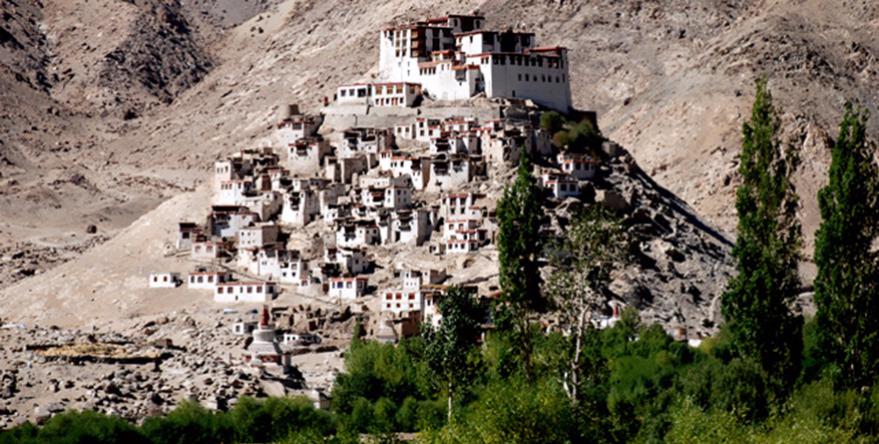
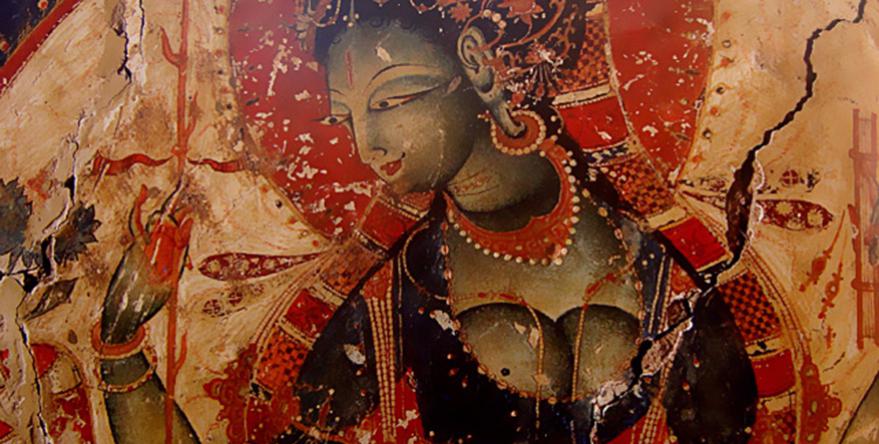
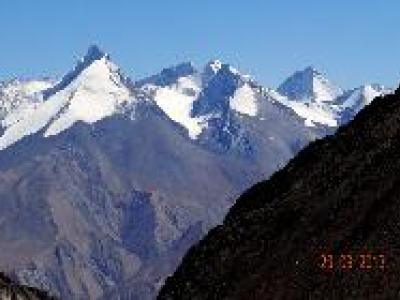
Ladakh is in India is a very high altitude cold desert land with a low level of atmospheric oxygen. Occupying an area of some 90240 sq. km at altitudes of 2,750 to 7135 m, Ladakh in northern India is situated between the Western Himalayas and Tibet and holding the enchanting Hemis National Park /pangung lake wildlife sanctuary/ Nubra National Park.The pristine beauty and the varieties of activities like trekking, white-water rafting, camel and wildlife safaris and sightseeing attracts thousands of people to this region. Besides the scenic mountain landscape, Ladakh is also home to a variety of reach cultural resources like - local homes and ancient monasteries, castles. Ladakh also supports a high-altitude ecosystem of uncommon and endangered flora and fauna. 

Leh, the capital of Ladakh, is dominated by the picturesque palace of the former Ladakhi royal family, together with the Victory Fort, built to commemorate an important 16th century Ladakhi victory over neighboring kingdoms. 

Ladakh Has four Main Regions: Nubra valley, Zanskar, Rupshu, and Ancient Aryan people, Drok-pa in the Dha-hanu.

The Nubra-Valley, known as a flowering garden in the Ladakh region gets covered in endless bushes of yellow and pink wild roses. Once the valley is through with the season of roses around July, August, a layer of wild lavender spreads gently on it. Nubra is comparatively a warmer valley in Ladakh making it perfect for crops and fruits to grow. The Nubra valley is wonderful valley for cultural tour by car, camel safari, mountain biking, rafting and trekking

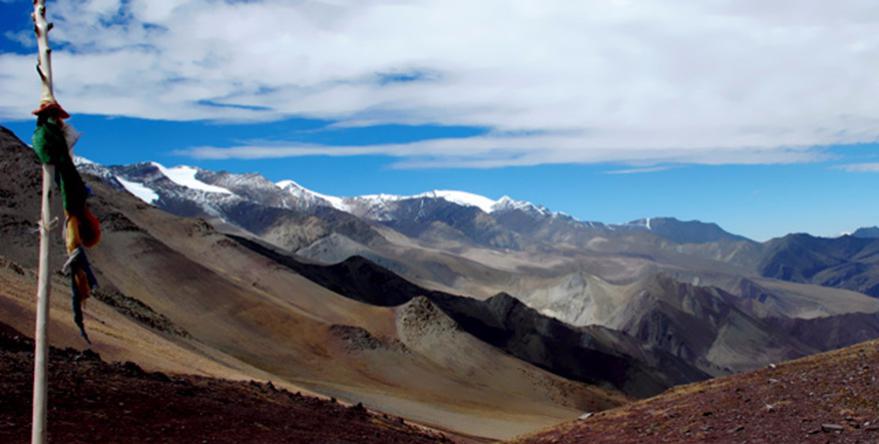
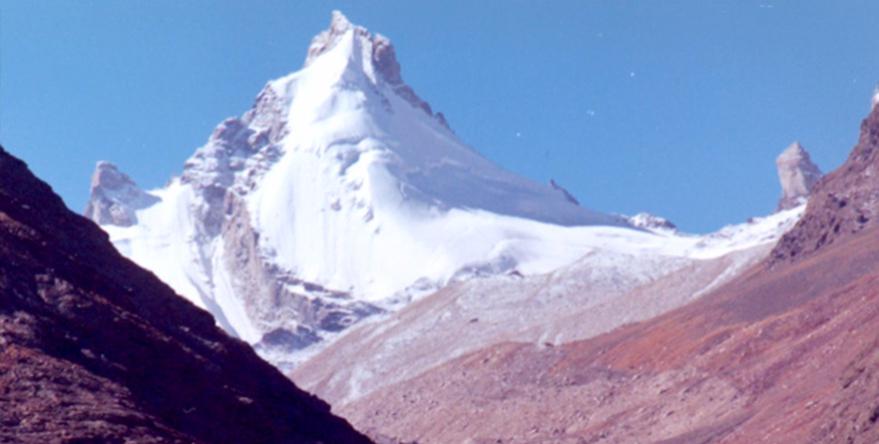
Zanskar-valley is located south of Leh 435km from leh, approachable via Leh Kargil and Srinagar Kargil in two or three days journey by car, enroot wonderful view of Nun 7137m, Kun7085m peaks. The Nun Kun massif offers an excellent combination of alpine slopes, ridges glacial formations and majestic great Himalayan peaks for adventure lovers. There are meny possibilities for trekking adventure sports as well as cultural tourism. Within the mountainous ramparts of zanskar are a number of ancient yet active monastic establishments, some of which have evolved around caves, which are by legend, associated with famous Buddhist saints.

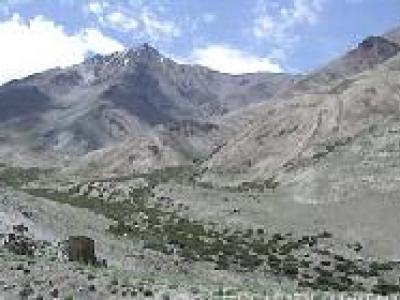
Rupshu- The upland plateau of Rupshu in changthang westran Tibetan of Nomad area are possible the most attractive areas in the district as far as scenic beauty and rich wildlife are concerned. The vast pasture with their gently flowing streams and the lakes amidst the spectacularly colored mountains are quite unlike anything a tourist may see anywhere in the world.  

LADAKH Wildlife Resource

Located at the union of three zoogeographic realms, Pale arctic, Oriental and Malayan, Ladakh's ecosystem is possibly the most unique and by far the most mind-boggling in the world. With its barren plateaus and uplands, Ladakh boasts a distinct alpine, floral and faunal variety. Ladakh houses several flowering plants, a dozen of most rare mammals and over a hundred species of birds in its rugged terrain. Most of the species are classified as endangered or rare.

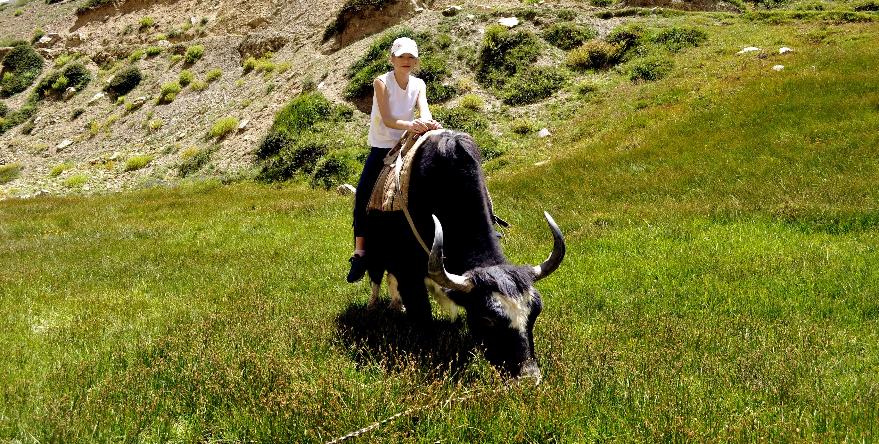
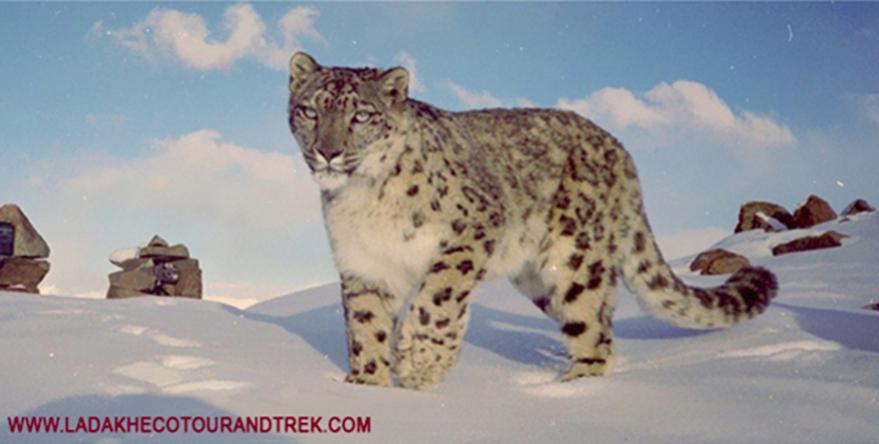
Ladakh Fauna:- The wild yak is to be found only here. The snow leopard is Ladakh's most rare animal. Another one that is unique is the keying or the wild horse, while at lower altitudes the musk deer too is a rare sight, precious by virtue of its expensive musk. Visitors are likely to spot many marmots, mouse hares, stone martens, red foxes, wolves, ibex, bharal and shapu during the course of their journey but the habitat of the nyan (big horned sheep), chim (Tibetan antelope famed for its fleece-Shahtoosh), goad (Tibetan gazelle), lynx, paellas cat, keying (wild horse) and brong dong (wild yak) are still outside the tourists' sphere.

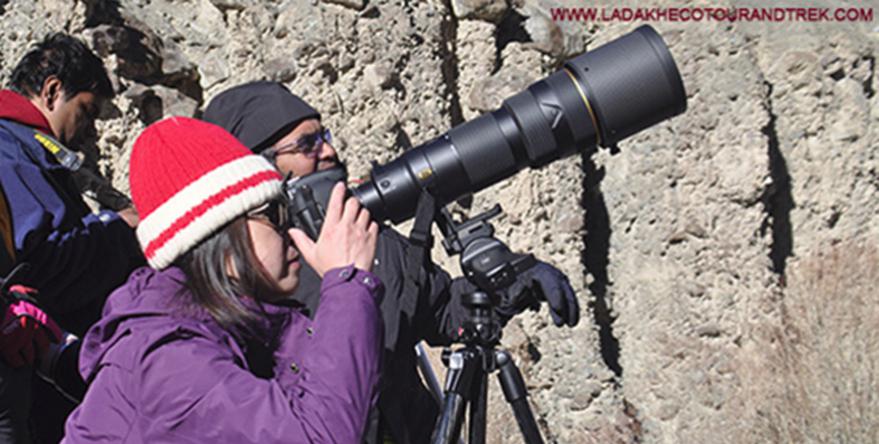
Ladakh Avian Fauna:-The avid bird watcher can spend fruitful hours by observing Bactrian magpies, grey tits, chough, raven, sparrow, kite, kestrel, Turcoman rock pigeon, chukor, finches, buntings, larks, desert wheat eaters, a many more varieties of birds. To protect & conserve its ecosystem, Ladakh has declared some reserved areas for it ecological sphere. Hemis National Park is one of them. 

Pangung wildlife century and Hemis National Park

Hemis National Park is a high altitude protected area created in year 1981 in the eastern part of the cold desert of Ladakh for the conservation and protection of its unique flora and fauna. It covers an area of 600 sq km in the Markha and Rumbak valleys. Dry forests of juniper, birch and fir are found in the park area. Also present are the alpine grasslands and scrublands. Various rare and endangered animal species found in the cold desert area are also housed in the Hemis National Park. Amongst these are the snow leopard, Tibetan wild or kiang, ibex, serow and Tibetan antelope. Amongst the avid fauna population found in the hemis national park are the snow, snow partridge and golden oriole.

Ladakh Topography

Ladakh is a paradise for trekkers with plenty of options to suit all adventurers and nature lovers. Walk, cycle, raft, ride, tour and discover the local life styles and culture of Ladakh. There are many treks in Ladakh, which combines culture and sport activities. A tour of local monasteries allows one to savor different aspects of Ladakhi culture. The exciting high altitude mountain climb of Stok Kangri (6128 m) and Kangyatse peak (6430m) combined with the beautiful Markha valley trek are forever popular for its splendid geography and nature. 

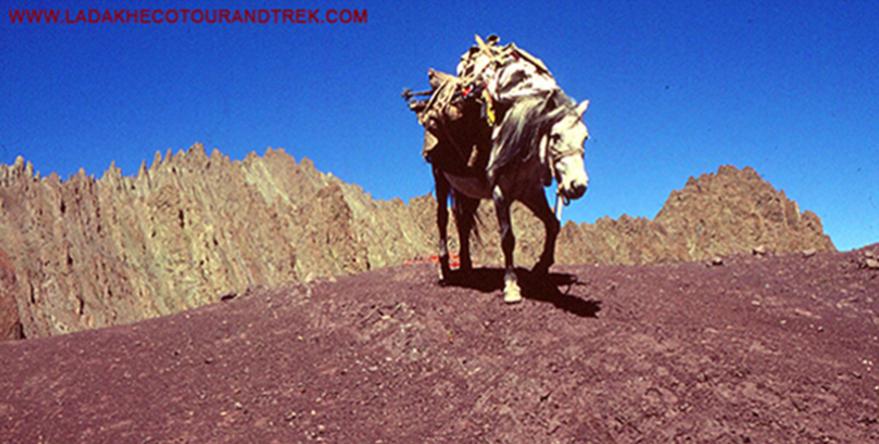
Trekking in Ladakh Zanskar/ jeep safari

When Ladakh was first open to tourism in 1974 an average itinerary encompassed visits to Leh and its environs with some treks into nearby valleys. Know Ladakh is boasts of famous monasteries old Royal castle, many of them being more than 1000 year old. There are many possibilities for trekking exploring the region. You need time for exploring one week to five weeks as per your vocation. Every trek is over 4000m to 5500m.

Wild mountain trek / Village to village trek / Wildlife trek / Geological trek / Agricultural trek / Horticultural trek / Cultural trek / Mountaineering / Rock climbing / Mountain bike trek / Waite water rafting.

HOW TO REACH

BY AIR, From Delhi, Srinagar, jammu, Airlines, air India, Jet Airways, go air, Kingfisher.

Rail : The nearest Trine station Jammu and  Udhmpur, In Himachal Simla. 

Road: Leh is approachable on State highway from Srinagar crossing high passes, Zoji la (4250m). And from Manali high pass Rothang, Paralacha pass (4845m) Road communication between Srinagar and Manali Leh is closed between October until May. For local sightseeing luxury Taxis and coaches are available.

Ecotourism is entirely a new approach in tourism. Ecotourism is a preserving travel to natural areas to appreciate the cultural and natural history of the environment, taking care not to disturb the integrity of the ecosystem, while creating economic opportunities that make conservation and protection of natural resources advantageous to the local people. 
In short, ecotourism can be categorized as tourism programmers that is - "Nature based, ecologically sustainable, where education and interpretation is a major constituent and where local people are benefited.

MOUST BENIFISHRES FROM YOUR MONEY.

When you visiting through our agency, you don’t think that your money directly benefit to agency, but your money benefit to all the local people of the region.

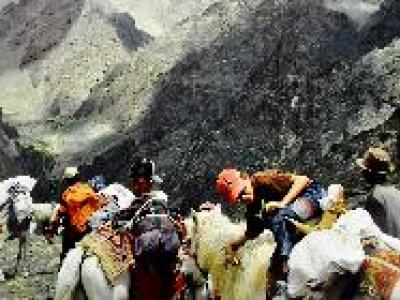
Supposed to your paying 100$ to our office for your tour, out of it 30% of the money we get for our office staff salary and office maintenance.  70% of the money benefit to the local people of the region or villages. How? We implying local people for Cook, Guide, Helper, and Transportation for car and horses, camping fee, per day per tent, wildlife fee for protect the wild life, we paying for collecting garbage from the trekking routs and srounging areas, monastery fee forpreserving local cultural and heritage. Local protect organic vegetable, we mostly provide local food during the trek.

Testimonial

We can certainly provide you with a recommendation: We asked Angchuk to organize the crossing...
Kind regards, Caroline et Cyril Ema
we recommend for this company. We had been trekking with him many years ago and would l...
Susanne Feddern and Pia Siebersusa
Read More Send Feedback

Popular Tours

  • Jeep tour in Program in Ladakh
  • Lamayuru – Kanji – Padum –Trek
  • Chhmser Kangri (6623m) Lung Ser Kangri (6666m) Expedition
  • Nun Kun Expedition
  • Western Tibet Nomad Area Trek
  • Hanasku to Tsoksti – Rumbak – Spituk – Trek Zanskar Range
  • Darcha Padam Trek
  • Jeep tour Delhi –Manali- Tsomoriri Ladakh
  • Juk Thak To Phuktal-Padum Trek
  • Jeep Tour To Himalaya Ladakh- Zanskar
  • Nubra Valley Trek
  • Mentok Kangri Expedition Mentok 6277m Mento 6281m